
Blog
Acrylic Paint Acrylic Guide for Beginners & Advanced Artists

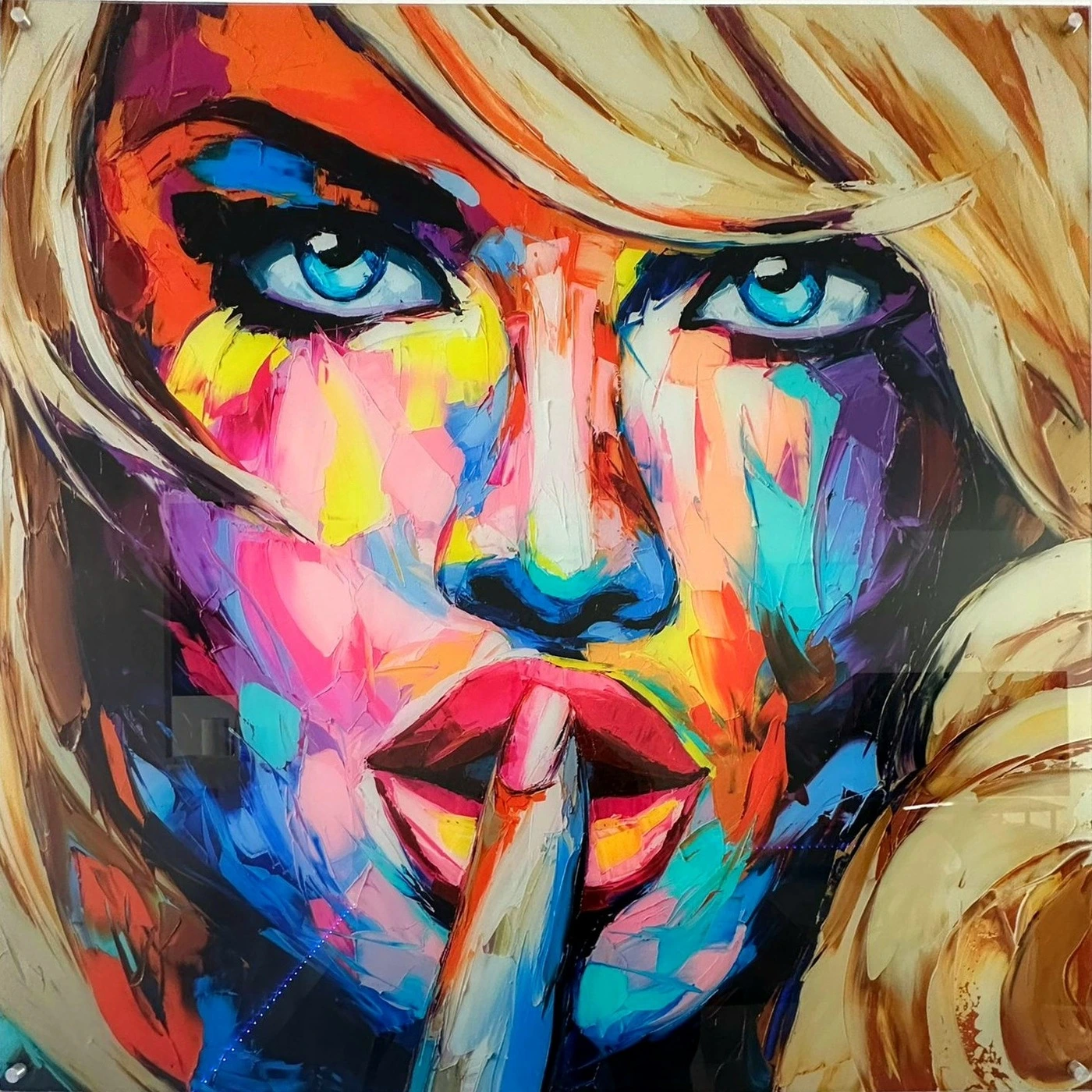
Acrylic Paint Acrylic: From Beginner to Advanced Artist
Acrylic Paint Acrylic is more than a medium it is a creative universe. From soft washes to bold textures, from glass-like glazes to dramatic splatter art, acrylic painting gives us freedom that no other paint can match. Whether we are just stepping into acrylic painting for beginners or exploring advanced acrylic techniques, this guide acts like a compass in a vast artistic ocean.
We do not need expensive studios or complicated rules to start. With a few brushes, a canvas, and the right understanding of acrylic painting mediums, layering methods, color mixing, and texture tools, we can transform blank surfaces into expressive stories. Acrylic paint dries fast, blends beautifully, and works on nearly anything canvas, wood, fabric, or even furniture. That flexibility is why acrylics feel like a Swiss army knife of the art world.
Think of acrylic paint like clay for painters it can be thin as watercolor, thick as oil, glossy like glass, or rough like stone. With glazing methods, pouring techniques, palette knives, sponges, and innovative textures, we shape emotions into visual form.
This complete guide brings everything together:
color mixing charts, brush techniques, texture building, layering systems, finishes, DIY projects, and professional-level acrylic strategies all explained in simple, practical language so we can paint with confidence and control.
Acrylic Paint Acrylic
2. Acrylic Painting for Beginners: Tools, Setup, and First Strokes
Starting with acrylic painting for beginners does not require a studio filled with expensive tools. We begin with a few essential supplies and a clean workspace. A small table, a cup of water, paper towels, and good lighting already place us in a strong position to create. Acrylic paint is forgiving, so mistakes become learning moments instead of failures.
The most important tools are acrylic paints, a set of best paintbrushes for acrylic painting, and a surface like canvas, board, or heavy paper. Beginners should focus on medium-body paints because they offer balance between flow and coverage. We do not need dozens of colors. A basic set of red, blue, yellow, black, and white allows us to use basic color mixing for acrylics to create nearly every shade.
Our brushes should include flat vs. round paintbrushes for acrylics. Flat brushes help block in shapes, while round brushes add detail. As we paint, we quickly notice how different brush techniques for acrylic painting affect the look of strokes. Long strokes feel smooth, while short taps feel textured. Acrylic paint responds immediately, making it easy to see progress.
A simple starting project is a DIY canvas painting idea like a sky gradient or abstract color field. These allow us to practice blending acrylic paints without worrying about fine details. Acrylics dry quickly, so we can paint in layers, building confidence as we go.
Learning how to clean acrylic paint off brushes is also critical. Rinse brushes immediately in water and gently wipe them. Dried acrylic ruins bristles, so care protects our tools and improves results.
With just a small setup, we step into a world where creativity grows faster than fear.
3. Acrylic Painting Mediums and How They Transform Paint
Acrylic painting mediums are like secret tools that unlock new effects. These liquids and gels change how acrylic paint behaves without changing its color. They allow us to control flow, transparency, texture, and drying time.
Gloss medium makes colors brighter and more transparent. Matte medium reduces shine. Heavy gel adds thickness for impasto technique in acrylic painting. Pouring medium allows smooth flowing layers for acrylic pouring techniques. When we use using acrylic mediums for color mixing, we get smoother blends and better control.
Mediums are also essential for transparent vs opaque acrylic mixing. If we want glass-like layers for acrylic paint glazing methods, we mix paint with gloss medium. If we want strong coverage, we use less medium and more pigment.
For acrylic wash techniques, we dilute paint with water or fluid medium. This creates soft underlayers called acrylic paint underpainting methods. These guide the final painting while allowing light to shine through.
Mediums help build professional results even for beginners. They give us freedom to explore fastdrying acrylic techniques, experimental acrylic painting, and mixed media with acrylic paint.
4. Acrylic Paint Glazing Methods for Depth and Glow
Glazing is one of the most powerful modern acrylic painting techniques. It uses thin, transparent layers to build depth. Instead of mixing colors on the palette, we layer them on the canvas.
By combining paint with gloss medium, we create transparent films. When applied over dry layers, these glazes alter the color underneath without covering it. This creates luminous effects, perfect for skin tones, skies, and reflective surfaces.
Glazing is essential for advanced acrylic paint layering and creating depth with acrylic layers. It allows us to control shadows and highlights without muddying colors. We can deepen blues, warm skin tones, or soften transitions simply by glazing.
This method also works beautifully with acrylic watercolor techniques and reflective acrylic painting styles. It adds realism and elegance that flat paint cannot achieve.
5. Acrylic Pouring Techniques and Layered Fluid Art
Acrylic pouring techniques turn paint into liquid motion. By mixing acrylic paint with pouring medium, we create fluid mixtures that flow across the canvas.
We pour, tilt, and guide the paint to form organic patterns. This method allows acrylic pouring techniques with layers, where colors stack and reveal themselves. Cells, waves, and marbling appear naturally.
A good acrylic pouring project guide includes surface leveling, proper mixing ratios, and drying control. Pouring creates stunning acrylic paint splatter art and abstract pieces perfect for wall décor.
Pouring is also a powerful way to explore techniques for acrylic abstract art and innovative acrylic textures.
6. Acrylic Paint Color Mixing Chart Explained
Acrylic paint color mixing chart is our roadmap to color control. By understanding how primary colors interact, we can create infinite hues.
Red and yellow create orange. Blue and yellow make green. Red and blue produce purple. By adjusting ratios, we get warm or cool tones. Learning vibrant acrylic color mixing recipes helps us build mood and harmony.
We also master how to lighten acrylic paint colors with white and darkening colors in acrylic painting with black or complementary hues. This avoids dull results and supports color harmony in acrylic painting.
A strong color chart prevents color mixing mistakes to avoid with acrylics and makes every painting more professional.
7. Blending Acrylic Paints for Smooth Transitions
Blending acrylic paints is key to achieving soft gradients, realistic shadows, and seamless transitions. Acrylics dry fast, which can make blending tricky. To master this, we use acrylic painting mediums to extend drying time. Slow-drying mediums allow colors to merge naturally on the canvas.
Techniques for blending acrylic paints include wet-on-wet, where two colors meet on a still-wet surface, and layering, where we glaze successive thin layers to build smooth transitions. Color wheel for acrylic painting helps anticipate which hues blend harmoniously.
Using brushes effectively is critical. Flat brushes are great for large swaths, while round or filbert brushes allow subtle color shifts. Blending also involves patience small, feathered strokes prevent harsh lines and maintain vibrancy.
We can experiment with sponges, fingers, or palette knives for unique blending textures. Whether working on acrylic painting techniques for landscapes, portraits, or abstract art, mastery of blending transforms simple strokes into professional-quality paintings.
8. Layering Acrylic Colors Successfully
Layering is the backbone of acrylic painting. By building layers, we create depth, texture, and luminosity. Start with an underpainting using acrylic wash techniques to establish forms. Once dry, apply thicker opaque layers to define color and detail.
Acrylic paint layering techniques include glazing, scumbling, and impasto. Glazing adds depth with transparent layers, while scumbling uses dry brushing for subtle texture. Impasto builds raised, tactile surfaces. Acrylic paint drying times between layers must be observed to avoid lifting paint.
Layering also works with acrylic pouring techniques with layers, where fluid paint flows over previous layers creating complex, organic effects. Blending layers in acrylic paint enhances smooth transitions, while transparent layers in acrylic painting create depth and vibrancy impossible with single applications.
9. Texturing Techniques for Acrylic Paint
Texture adds dimension and interest. Texturing techniques for acrylic paint include using gels, pastes, sand, or even household items like sponges. Palette knives can sculpt thick paint for dramatic effects, while sponges or rags create subtle patterns.
Artists can also experiment with how to create texture with acrylic paint, combining mediums, or layering dry and wet paint. Techniques like stippling, scumbling, and brush techniques for texture in acrylics enrich surfaces for both realism and abstract styles.
Textured surfaces work well in textured abstract acrylic painting ideas and modern acrylic painting techniques, giving pieces tactile appeal that draws viewers in.
10. Using Palette Knives, Sponges, and Unconventional Tools
Palette knives, sponges, and even unconventional tools like combs or sticks expand our creative range. Palette knives allow bold strokes, layered textures, and impasto technique in acrylic painting. Sponges can blend colors or create random, organic patterns.
Using unconventional tools supports experimental acrylic painting and acrylic painting with unconventional tools, offering effects brushes cannot achieve. Knife strokes, sponge textures, and dragged lines add energy to acrylic abstract art and layered mixed media.
11. Acrylic Wash Techniques and Underpainting
Acrylic wash techniques mimic watercolor washes but stay permanent once dry. These thinned layers allow us to sketch initial shapes and add tonal depth. Acrylic paint underpainting methods create a foundation for later layers, guiding composition, value, and light.
Layering washes lets us test color harmony in acrylic painting, and by using glazing or transparent layers in acrylic painting, we preserve luminosity while building complexity. Beginners benefit from starting with washes to practice control without committing to heavy paint.
12. Modern and Advanced Acrylic Painting Techniques
Modern acrylic painting techniques push boundaries. Techniques like acrylic paint splatter techniques, brushless acrylic painting techniques, and acrylic painting with metallics create dynamic visual effects.
Advanced methods include wetonwet acrylic painting, dry brushing with acrylics, and acrylic stenciling techniques. Combining these with innovative acrylic textures, mixed media with acrylic paint, and reflective acrylic painting styles leads to unique, professional-grade results.
13. Wet-on-Wet and Dry Brushing with Acrylics
Wet-on-wet involves applying wet paint onto wet layers, blending naturally. It is ideal for skies, water, and soft shadows. Dry brushing, in contrast, uses minimal paint on a dry brush to create subtle texture, ideal for fur, grass, or weathered surfaces.
These techniques are part of advanced acrylic techniques and are essential for both portraits and landscapes, adding realism and depth without complicated tools.
14. Acrylic Painting Techniques for Landscapes and Portraits
Landscape painting often combines washes, layering, glazing, and blending acrylic paints to capture atmospheric effects. Portraits require controlled brushwork, palette knife techniques, and glazing methods to render skin tones accurately.
Acrylic painting techniques for portraits also benefit from color mixing techniques and vibrant acrylic color mixing recipes to achieve lifelike results. Layering, wet-on-wet, and brush techniques for texture in acrylics are key to dimensionality.
15. Abstract and Experimental Acrylic Art Styles
Abstract art thrives on freedom. Artists can use acrylic pouring techniques, splatter techniques, and layering techniques for mixed media acrylic art to create expressive, non-representational works.
Experimental styles involve acrylic painting with unconventional tools, brushless techniques, and fastdrying acrylic techniques for quick, dynamic outcomes. These methods are perfect for contemporary galleries or home décor projects.
16. Color Mixing Mastery: From Basics to Advanced Recipes
Understanding basic color mixing for acrylics is foundational. Start with primary colors, then explore vibrant acrylic color mixing recipes and advanced color mixing with acrylic paints.
Experimenting with mixing metallic colors in acrylic paint, transparent vs opaque acrylic mixing, and using acrylic mediums for color mixing expands possibilities. Troubleshooting mistakes ensures consistent results and preserves color harmony in acrylic painting.
17. Using Acrylic Mediums for Color and Transparency Control
Mediums modify viscosity, drying, and transparency. Acrylic pouring mediums improve flow, while glazing mediums allow thin, luminous layers. Using texture gels for acrylic painting or combining with other materials produces sculptural effects.
Mediums also enhance layering techniques for mixed media acrylic art and acrylic paint layering techniques, helping achieve professional, museum-quality finishes.
18. Choosing the Best Acrylic Paintbrushes
Selecting types of acrylic paintbrushes affects every stroke. Flat vs round brushes determine line quality. Synthetic bristles are ideal for acrylics due to durability, while natural bristles offer soft blending. Specialty brushes aid interactive acrylic brush techniques and painting with acrylics brush techniques explained.
Proper brush maintenance preserves performance and supports acrylic paintbrush maintenance tips for longevity.
19. Brush Techniques Explained for Acrylic Artists
Different brush techniques for acrylic painting include stippling, dry brushing, scumbling, and hatching. Each technique achieves distinct textures and effects. Combining brushes with palette knives or sponges amplifies creativity.
These methods are essential for textured abstract acrylic painting ideas and acrylic painting techniques for landscapes.
20. Building Texture with Gels, Paste, and Impasto
Texture is central to expressive acrylics. Acrylic painting texture paste and gels create dimensional surfaces. Impasto technique in acrylic painting builds thick, sculptural strokes. Combining these with stencils for textured acrylic painting produces complex patterns.
Layering texture requires patience and acrylic paint drying times between layers, ensuring each layer adheres properly.

Acrylic Signs
21. Innovative Acrylic Textures and Mixed Media Effects
Mixed media expands acrylics beyond paint. Combining acrylics with other materials for texture, using unconventional tools, or adding metallics, pastels, or inks creates unique visual interest. Experimental acrylic painting thrives in this domain, allowing signature styles and contemporary approaches.
22. Acrylic Paint vs Other Paint Types Compared
Comparisons clarify acrylics’ advantages. Acrylic paint vs oil paint: faster drying, easier cleanup. Acrylic paint vs watercolor: stronger opacity. Acrylic paint vs gouache/tempera: more flexibility and permanence. Acrylic paint vs fabric/latex/enamel paint: better adhesion and versatility.
Understanding these comparisons guides selection for DIY acrylic painting for kids, home décor, or professional projects.
23. Fast-Drying, Metallic, and Special-Effect Acrylics
Fastdrying acrylic techniques enable quick layering. Metallics, iridescent paints, and interference pigments create shimmer and reflective effects. Acrylic painting with metallics and brushless acrylic painting techniques allow contemporary, eye-catching designs.
These are ideal for modern acrylic painting techniques, experimental art, and innovative textures.
24. Advanced Acrylic Paint Layering Systems
Layering systems include opaque, transparent, and mixed layers. Advanced acrylic paint layering builds depth, shadows, and highlights. Combining transparent layers in acrylic painting with impasto and glazes results in visually rich, professional artwork.
25. Creating Depth with Transparent and Opaque Layers
Depth in acrylics comes from strategically combining transparency and opacity. Acrylic paint underpainting methods guide composition, while layering translucent washes over opaque base layers enhances realism. This technique is crucial for acrylic painting techniques for landscapes, portraits, and abstract compositions.
26. Types of Acrylic Paint Finishes
Acrylic paint finishes include matte, satin, and gloss. Matte vs glossy acrylic paint affects light reflection and perceived depth. Best acrylic paint finishes for canvas, furniture, and home décor depend on purpose and environment.
27. Sealing, Varnishing, and Protecting Acrylic Paintings
Sealing acrylic paint finishes preserves longevity. Varnishing acrylic paint finishes adds protection against UV, dust, and scratches. Topcoat options help customize acrylic paint finishes for furniture, outdoor projects, or gallery display.
28. Easy Acrylic Painting Projects for Beginners
Beginner projects should be fun and low-pressure. Stepbystep acrylic painting tutorials, simple acrylic landscape painting ideas, and budgetfriendly acrylic painting supplies allow confidence-building. Short exercises like acrylic paint splatter techniques or abstract canvases teach layering, blending, and texture.
29. DIY Acrylic Home Decor and Gift Ideas
DIY acrylic painting for kids, seasonal projects, and unique acrylic painting ideas for gifts make art practical and rewarding. Large-scale wall art, upcycling furniture with acrylic paint, and collaborative projects are also excellent ways to apply skills.
30. Professional Tips for Long-Lasting Acrylic Artwork
Professional artists consider medium selection, layering, color harmony, and finishes. Observing acrylic paint drying times between layers, using mediums for acrylic layering, and proper sealing ensures durability. Common mistakes with acrylic paint finishes include uneven layers or insufficient drying time correcting these ensures every piece lasts for decades.
Conclusion
Acrylic paint is both versatile and powerful. From acrylic painting for beginners to advanced layering, glazing, pouring, and texturing techniques, this guide covers everything. Mastery involves blending, layering, color mixing, brush and palette knife techniques, and experimenting with mediums and textures. With patience and practice, acrylic painting becomes an expressive, rewarding medium that transforms ideas into vibrant, enduring art.
FAQs
1. What makes acrylic paint different from oil or watercolor?
Acrylic paint dries faster, is water-soluble when wet, versatile for layering and texturing, and adheres to various surfaces without toxic solvents.
2. Can beginners create professional-looking acrylic paintings?
Yes. With acrylic painting for beginners, practice, and understanding of layering, blending, and textures, even novices can produce impressive work.
3. How do I clean brushes after using acrylic paint?
Rinse immediately with water, gently wipe excess paint, and use mild soap for thorough cleaning. Avoid letting acrylic dry on brushes.
4. What is the best way to create texture in acrylic painting?
Use gels, pastes, palette knives, sponges, or combined media techniques. Layering and dry brushing also enhance tactile surfaces.
5. How can I make acrylic colors more vibrant?
Use vibrant acrylic color mixing recipes, layer transparent glazes over opaque bases, and choose high-pigment paints with proper mediums for intensity.